
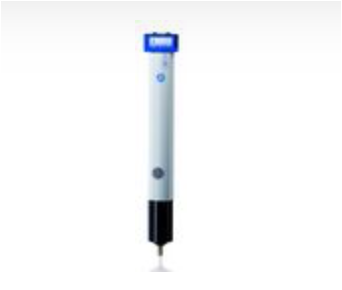
BEKO DRYPOINT MDp 6 Premium Membrane Air Dryer (with Integrated Pre-Filter)
Beko Technologies DRYPOINT® MDp Premium Series MDp 6 Membrane Dryer, 1/4 in NPT Inlet Connection, 140 deg F Inlet Air
Beko Technologies DRYPOINT® MDp Premium Series MDp 6 Membrane Dryer, 1/4 in NPT Inlet Connection, 140 deg F Inlet Air MDp 6- Brand Name: Beko Technologies
- PN: MDp 6
- Min. Order Qty: 1
- Qty. Interval: 1
- Click for Availability
 Add To Favorites List
The DRYPOINT® MDp membrane dryer with an integrated nano filter is the innovative solution for efficient filtration and drying in one housing. It offers reliable compressed air drying at a constant compressed air temperature, saves energy through low purge air demand and does not need polluting desiccants. In addition, filtration, which is directly connected ahead, prevents condensation upstream of the membrane.
Beko Technologies DRYPOINT® Membrane Dryer, 1/4 in NPT Inlet Connection, 140 deg F Inlet Air Temperature, Air Flow Rate: 6.27 scfm, 100 psig Air Pressure, 34 deg F Maximum Temperature, Integrated Pre-Filter Filter, 13.98 in Overall Height, 1.81 in Overall Width
| Air Flow Rate | : | 6.27 scfm |
| Air Pressure | : | 100 psig |
| Filter Type | : | Integrated Pre-Filter |
| Inlet Air Temperature | : | 140 deg F |
| Inlet Connection Size | : | 1/4 in NPT |
| Maximum Temperature | : | 34 deg F |
| Overall Height | : | 13.98 in |
| Overall Width | : | 1.81 in |
- Highest possible performance with 45 deg wound fibers
- Designed to perform even in the toughest environments
- Achieves dew point in 10 min or less
- With no moving parts, reliable even in mobile applications
- Small footprint with several configurations
 Catalog
 Video Link